Your Guide, to Responsible Gun Ownership: A Practical Approach
Buying a gun is not about making a purchase at a store. It is a decision that comes with responsibilities. If you are thinking about getting a gun this guide is here to help you understand the steps involved. We will go through three areas: figuring out why you want the gun knowing the laws where you live and getting ready for your trip to the shooting range.
1. Define Your Intentions
Before you start looking at guns take time to think about why you want one. Knowing your purpose will guide your choices.
Ask yourself questions: Do you want the gun for home protection? Are you interested in shooting for fun?. Do you plan to compete in shooting events? Your answers will shape the kind of gun that suits your needs.
Also think about how you plan to practice. Will other people in your home need access to the gun? These details affect where you keep the gun and how you store it safely. You must follow the law when storing a firearm so your storage plan should meet those requirements.
When you visit a gun shop or a shooting range try out models. Always treat the gun as if it is loaded. Keep the gun pointed in a direction. Make sure the gun is unloaded before handling it. Take note of how the gun feels in your hands. Can you reach the controls easily? Does the sight work with your eyes? A gun that fits you well makes shooting more comfortable and effective.
If you can rent a gun. Take a training class. This gives you a chance to test a gun before buying. Your personal preferences matter a lot. A gun that works for someone else might not work for you. Try options to find the match.
2. Understand the Legal Environment
Buying a gun is not about picking a model. You also need to understand the rules that apply where you live. Each state and local area has its set of laws about guns.
Start by checking government websites for up-to-date information. Avoid relying on websites that might have outdated or incorrect details. Most states require a background check when you buy a gun. Be honest and accurate when filling out the form. Mistakes can. Stop your purchase.
Before you buy make sure you know the following:
– Local Rules: Learn about the laws in your area for owning and buying guns.
– Required IDs: Know what forms of ID you need and whether there are waiting periods after you buy.
– Safe Storage: Have a plan for storing your gun. This might include a gun locked cabinet. You also need to plan for costs like training and cleaning.
Ask the seller to explain the return policy and all paperwork. If you have a record or other issues get advice from someone who knows the law. Don't assume you can buy a gun without checking details
3. Check and Prepare Post-Purchase
After you buy a gun don't leave the store without looking it over. Follow all safety instructions from the seller. Make sure the gun you received matches what's on the paperwork. Ask for the owner's manual-it is important.
New guns often need cleaning. They may have oils or cloths that protect them during shipping. These can affect how the gun works. Read the manual. Clean the gun properly. Use the tools. Don't use oil. Much oil can cause problems.
Before you take your gun home make sure you have a place to store it. Use a gun a locked cabinet. If you have children or people who aren't licensed to use guns keep the gun and ammunition separate. Ammunition should be stored in a container. After any changes in your household or moving check your storage plan again to make sure it still meets the law.
4. Your First Experience at the Shooting Range
Going to a shooting range is a way to see how well your gun works for you.. This is not a time to rush or show off.
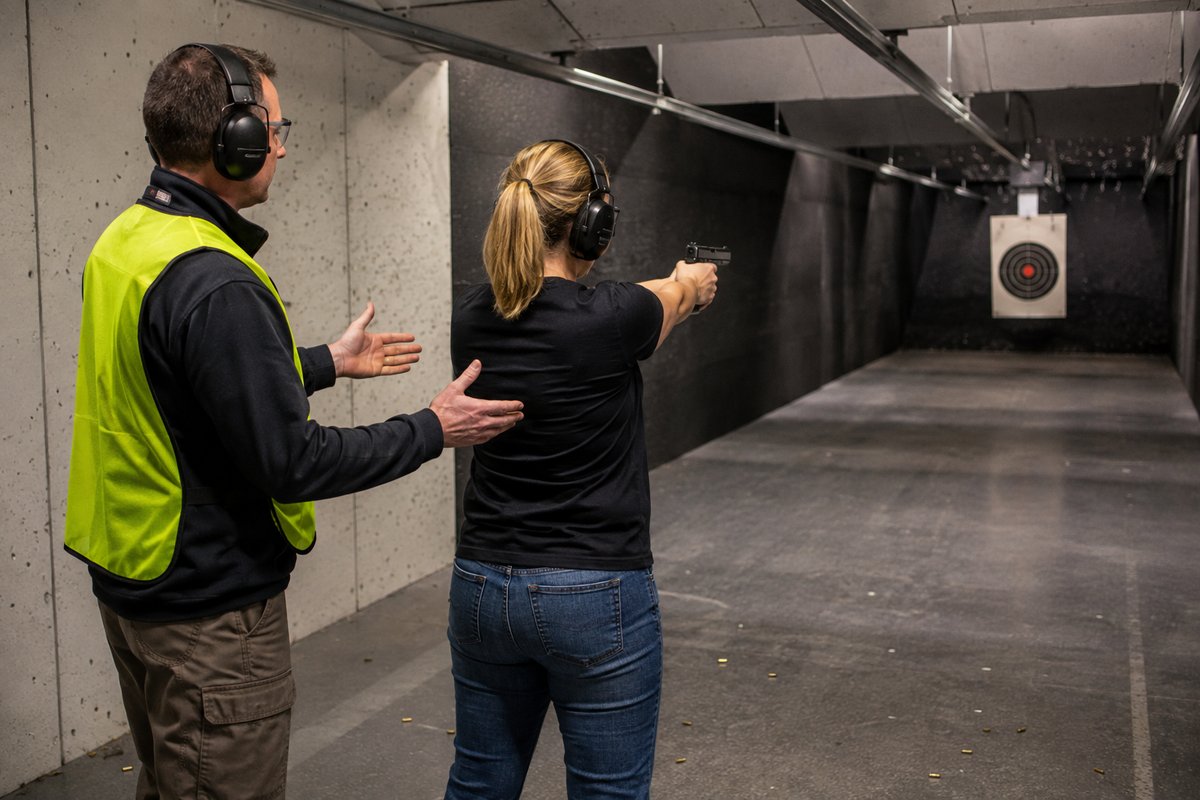
Bring the gear: safety glasses, ear protection and clothing that fits well. Learn the rules of the range. Staff are there to help. If you don't know something ask. It's better to ask than to make a mistake.
Always act like your gun is loaded. Keep the muzzle pointed downrange at all times. Never put your finger on the trigger until you are ready to shoot. If anything feels wrong-a strange noise, recoil or a jam-stop shooting immediately. Don't try to fix it yourself. Get help from someone who knows what to do.
After your session think about what happened. How did the gun feel? Were the controls easy to use? What did you learn? These thoughts will help you decide if the gun is right for you.
5. Owning a Firearm as a Lasting Commitment
Buying a gun is the beginning. Owning a gun is a long-term responsibility. It means handling the gun storing it securely and keeping it in good shape. Read the owner's manual. Follow the manufacturer's instructions.
Your life will change over time. Your needs for a gun might change too. What was right for you before might not be now. Be ready to adapt. You may want to get a gun or change your storage plan.
Responsible ownership shows care and respect. It means you take safety seriously. You stay informed. Keep learning. It's not just about having a gun-it's about being responsible, with it every day.